Sofia Schulz · 27 October 2026
Ridgeland's Cleanup Volunteers Spark Fresh Ideas for Linking Neighborhood Pathways
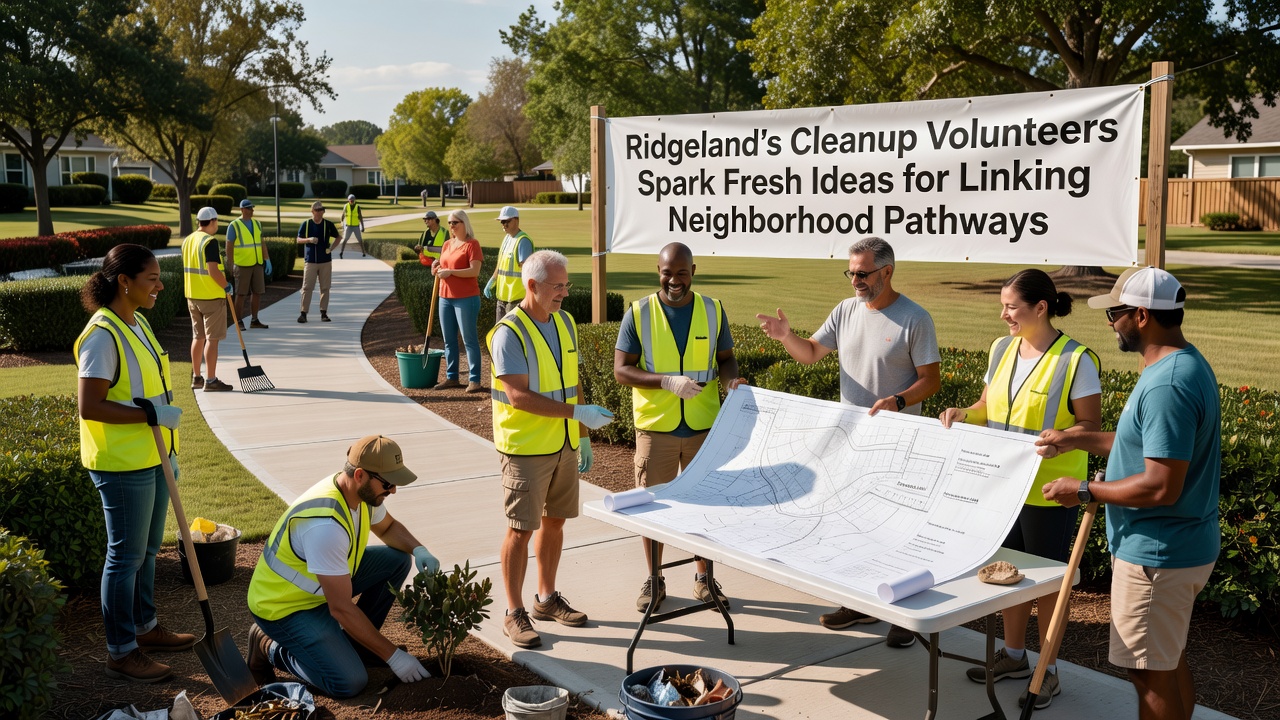
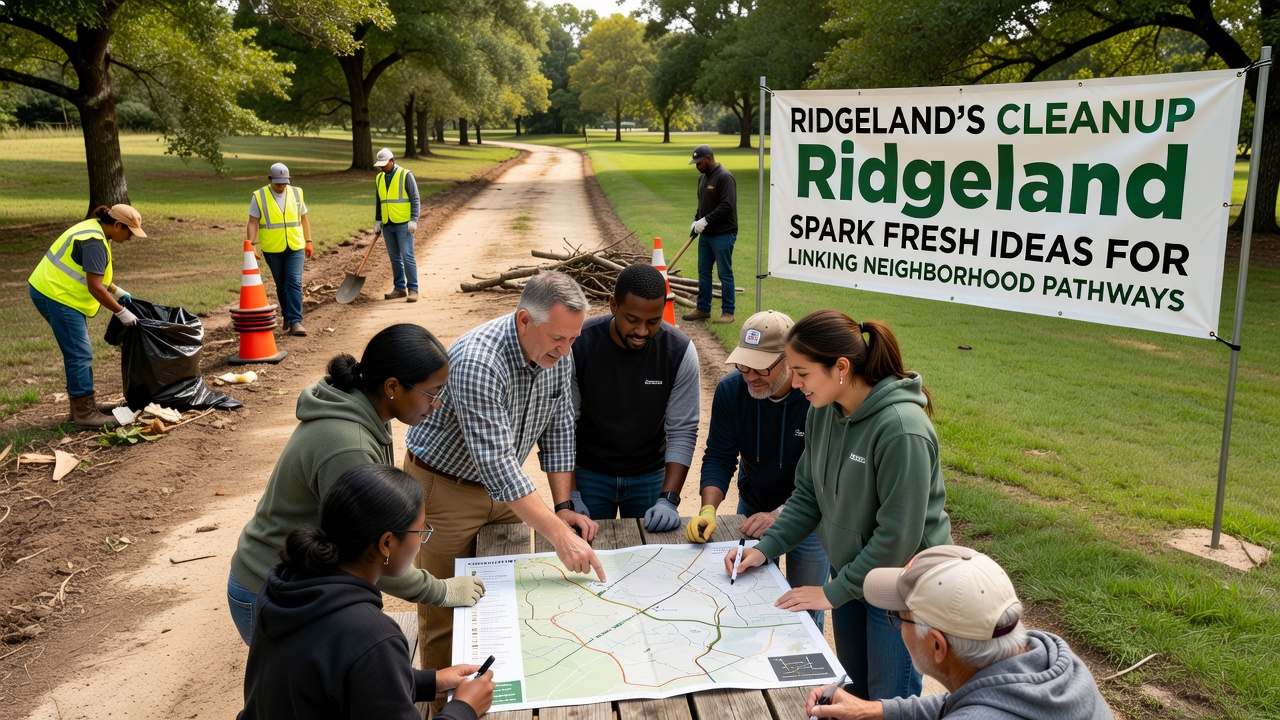
Volunteers gathered across several Ridgeland neighborhoods in October 2026 for a coordinated cleanup that removed litter from existing trails and sidewalks, and the effort quickly evolved into discussions about connecting fragmented pathways into a more cohesive network. Participants collected over 2,500 pounds of waste during the multi-day initiative, according to city records, while noting gaps where short walking routes ended abruptly at property lines or busy roads. Those observations led to informal brainstorming sessions that produced several concrete suggestions for linking residential areas with parks and commercial zones through improved pedestrian infrastructure.
Event Details and Participation Trends
Local organizers coordinated the October cleanup with support from neighborhood associations and municipal public works staff, drawing more than 180 residents who signed up through an online portal that opened in early September. Teams focused on five priority corridors, including the area near the old rail line and stretches along Lake Harbour Drive, where accumulated debris had blocked drainage and discouraged foot traffic. Data from similar past events shows participation rising steadily since 2023, with October 2026 marking the largest turnout recorded so far. Volunteers worked in shifts that allowed families and individuals to contribute without conflicting with work schedules, and many continued conversations about pathway connectivity during breaks.
Ideas That Emerged from the Cleanup
While clearing brush and sorting recyclables, several groups identified specific spots where new connections could tie isolated segments together. One suggestion involved extending a short spur trail behind the library to meet an existing bike lane on Old Canton Road, creating a direct route for residents in the northern section of town. Another proposal called for adding crosswalks with pedestrian signals at three intersections where current pathways stop short of retail centers. Participants sketched rough maps on paper during lunch breaks, marking potential easement areas and noting overgrown lots that might serve as green connectors if acquired or maintained differently. These ideas built on existing city mapping data that already identifies 14 disconnected segments within a two-mile radius of downtown.
Supporting Data on Local Connectivity
City permit records from the past five years indicate steady residential growth in areas that lack direct pedestrian links to parks and schools, with 312 new housing units approved in zones where walking distances exceed typical comfort thresholds. A 2025 municipal survey found that 67 percent of respondents wanted safer routes for children traveling to after-school activities, while 41 percent cited safety concerns at road crossings as the main barrier. Observers note that similar patterns appear in planning documents from other mid-sized U.S. cities, where volunteer cleanups have sometimes preceded formal infrastructure projects. Figures from the U.S. Department of Housing and Urban Development show that communities investing in linked pathways often see measurable increases in daily walking trips within two years of completion.
Next Steps and Coordination Efforts
Following the event, volunteer coordinators compiled notes and shared them with the Ridgeland Planning Department for review during upcoming budget discussions. Several participants volunteered to attend future public meetings to present their observations, while others formed a small working group to research funding options such as community development grants. City staff confirmed they will incorporate the feedback into an ongoing update of the pedestrian master plan, scheduled for release in early 2027. The process remains open to additional input from residents who could not attend the October cleanup, with an online comment form available on the municipal website.
Broader Context from Comparable Projects
Similar volunteer-driven cleanups in other regions have contributed to pathway improvements when paired with local government follow-through. Research from the Australian Department of Infrastructure, Transport, Regional Development, Communications and the Arts highlights cases where community mapping during cleanup events informed successful greenway expansions in suburban settings. In Canada, studies by the Canadian Institute of Planners document how resident input gathered during maintenance activities helped prioritize connections between parks and transit stops. Those examples illustrate how initial cleanup work can surface practical ideas that align with larger planning goals without requiring extensive new surveys.
Conclusion
The October 2026 cleanup in Ridgeland demonstrated how routine maintenance activities can generate actionable suggestions for linking neighborhood pathways when participants actively observe and discuss conditions on the ground. City records and volunteer reports now contain specific location details and preliminary connection concepts that planning staff will evaluate alongside existing data. Continued coordination between residents and municipal departments will determine which ideas advance to design and funding stages in the coming months.