Tina Bennett · 15 September 2026
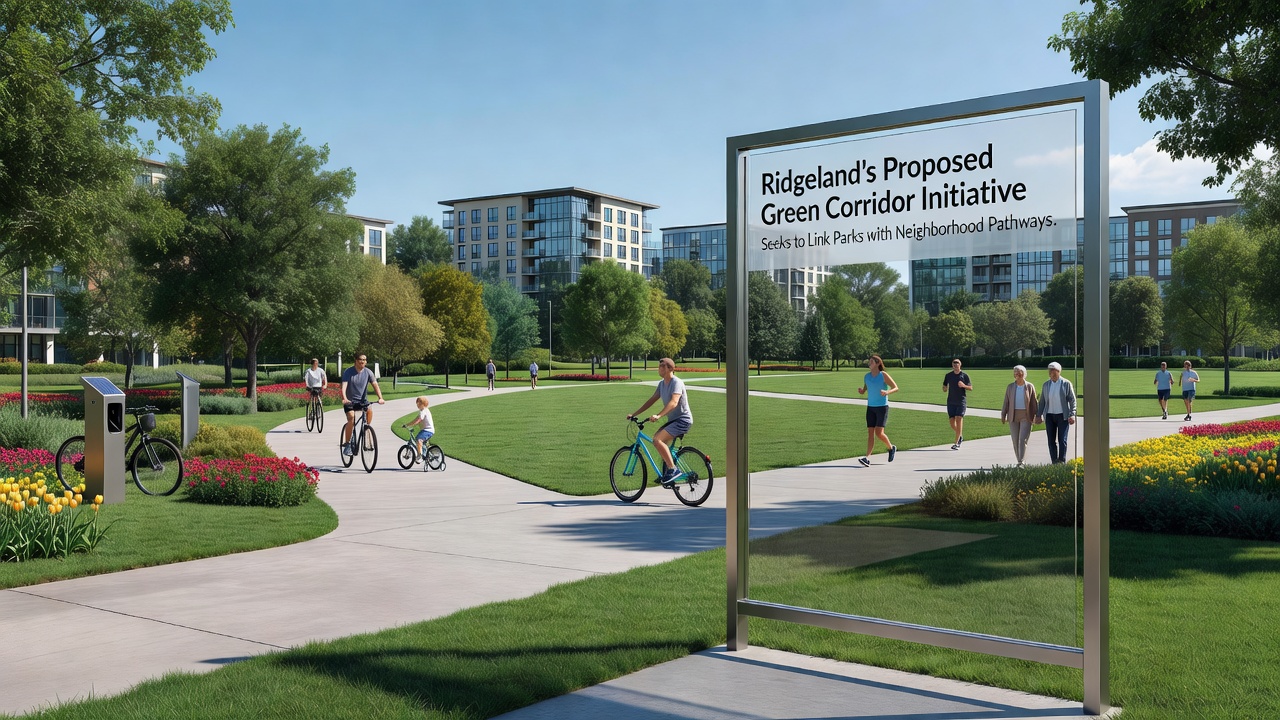
Ridgeland's Proposed Green Corridor Initiative Seeks to Link Parks with Neighborhood Pathways
City planners in Ridgeland have introduced a green corridor initiative designed to connect existing parks through a network of neighborhood pathways, and the proposal outlines specific routes that would integrate walking and cycling infrastructure across multiple districts. The plan calls for the development of dedicated trails that link recreational spaces while incorporating native plantings and stormwater management features along the way.
Project Scope and Timeline
Officials presented the initiative at a public meeting in September 2026 where they detailed three primary corridors spanning approximately 12 miles in total, and these routes would pass through residential areas currently separated from park facilities by major roadways. Data from the Ridgeland Planning Department shows that 65 percent of residents live within a half-mile of at least one park yet many lack safe pedestrian connections, figures that prompted the current design approach.
Engineers have mapped alignments that utilize existing utility easements and underutilized alleyways to minimize land acquisition needs, while the proposal includes signalized crossings at key intersections to prioritize non-motorized traffic. Construction phases are scheduled to begin in early 2027 pending council approval with completion targeted for 2030.
Environmental and Infrastructure Components
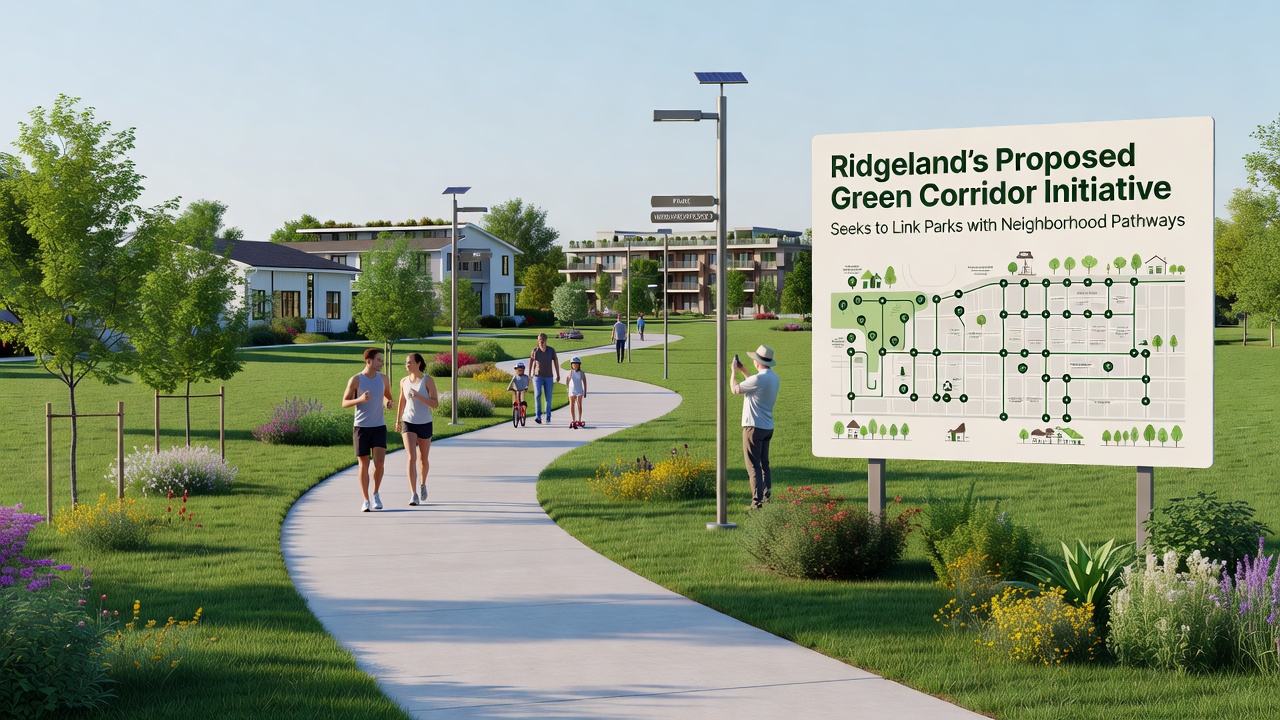
The corridors incorporate bioswales and permeable paving surfaces to reduce runoff into local waterways, and these elements align with standards promoted by the Environmental Protection Agency for urban green infrastructure projects. Native species selected for landscaping include drought-resistant grasses and pollinator-supporting shrubs that require limited irrigation once established.
Lighting along pathways will use solar-powered fixtures positioned at regular intervals, while wayfinding signage will feature maps updated through a digital platform managed by the city. Budget estimates released by the finance department place total costs at $8.4 million with funding anticipated from a combination of municipal bonds and federal transportation grants.
Community Integration Efforts
Residents have participated in three design workshops held throughout 2025 where they identified priority destinations and safety concerns, and feedback from these sessions led planners to add spur trails connecting to schools and transit stops. The initiative also includes provisions for public art installations at major junctions to reflect local history and culture.
Business owners along proposed routes have formed an advisory group to coordinate potential economic benefits such as increased foot traffic, and similar projects in other municipalities have documented rises in adjacent property values according to reports from the National Association of City Transportation Officials. Traffic modeling conducted by the regional council projects a 4 percent reduction in short vehicle trips within the corridor zones once pathways become operational.
Regulatory and Funding Considerations
Approval requires review by the state environmental agency to ensure compliance with wetland protection rules near one of the southern park connections, and the city has submitted preliminary documentation for that process. Grant applications submitted to the Department of Transportation emphasize the project's alignment with active transportation goals outlined in the regional mobility plan.
Maintenance responsibilities would fall to the parks and recreation department with supplemental support from volunteer stewardship programs already active in Ridgeland, while annual operating costs are projected at $240,000 once all segments open. Observers note that the phased rollout allows for adjustments based on usage data collected after each completed section.
Conclusion
The green corridor initiative represents a coordinated effort to improve connectivity between Ridgeland's parks and surrounding neighborhoods through dedicated pathways that incorporate environmental management features. Implementation depends on continued public input and successful navigation of funding and regulatory steps scheduled through the coming years, with progress reports expected at regular council meetings.